The aim is to enhance the capabilities of the existing Georgia Coordinating Center to include enhanced tracking of out-of-hospital patient movement and improved visibility of health system capabilities and capacities. A functional MOCC will:
- improve situational awareness and coordination of patient management after a CBRNE related mass casualty event and
- serve as a model that could be replicated in other communities.
Established in 2019, the GCC is responsible for coordinating the use of emergency departments by ground ambulance services for patients being transported from the scene of an emergency to area hospitals.
The GCC provides direct ground support for EMS personnel transporting patients by providing increased situational awareness for EMS crews regarding current hospital capacity and diversion/saturation status. EMS personnel can make a better-informed decision regarding the transport of the patient based on patient condition, ambulance location and EMS agency destination guidelines. Data necessary for the GCC to operate comes from many sources including current emergency department capacity and average patient off-load delay times in the GCC coverage area.
Strategies are currently being explored to improve out-of-hospital via a patient movement tracking system and interface it with an enhanced WebEOC-based hospital capability and capacity dashboard.
SRDRS is committed to developing and supporting solutions that improve daily operations and that can be redirected as needed to the management of a mass casualty event.
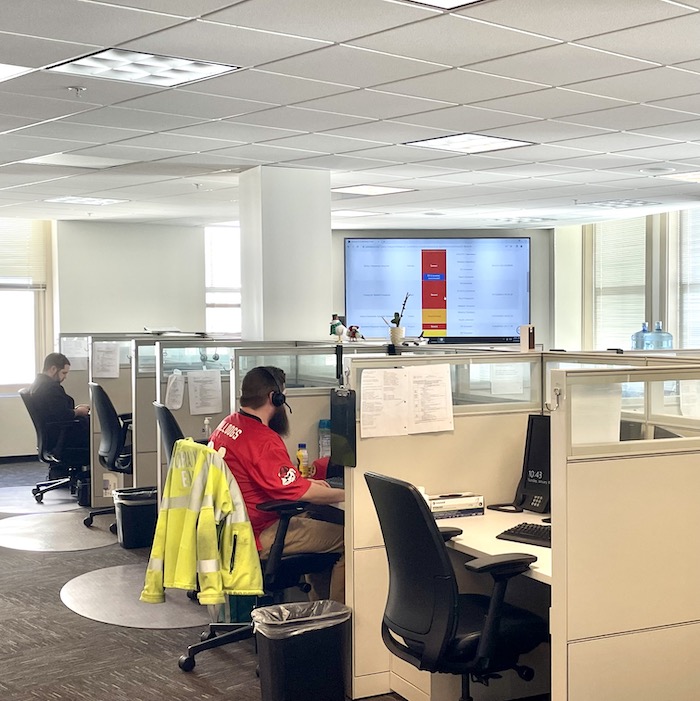
The mission of the GCC is to improve bidirectional communication between EMS agencies and health systems to better facilitate daily coordination of emergency department use statewide.
The GCC provides increased situational awareness regarding:
- current hospital capacity/overcrowding
- hospital diversion/saturation status
- individual hospital capabilities and capacities
Increased situational awareness will assist EMS personnel and their patients to make better informed decisions regarding transport destination.
The mission of the MOCC is to enhance the capabilities of the GCC to assist the community to better manage a mass casualty event.
MOCCs are critical method for ensuring that healthcare assets are used most effectively across a region. MOCCs are key to promotion of optimal care when resources are challenged by need to manage mass casualties after a CBRNE event.