Telemedicine


SRDRS plans to expand health systems’ use of telemedicine systems, including Tele-Critical Care, Tele-Emergency Medicine, Tele-EMS, and teleconsultation services offered by the regional poison centers. In turn, SRDRS will improve access to highly specialized clinical expertise in trauma, burns, and CBRNE mass casualty management. 

Click Here to View DVC Policy Briefs

The SRDRS is advancing virtual care, or telemedicine, initiatives for disasters that can be easily scaled and integrated into existing healthcare systems.  These efforts aim to strengthen healthcare preparedness and response capabilities at the local, state, and regional levels across Region 4.  By expanding access to specialized care – such as trauma, burn, and infectious disease services, among others – these initiatives help improve disaster readiness, increase medical surge capacity, and ensure critical care is available during disaster events.

The SRDRS is leading the way in transforming healthcare preparedness and response with its Strategic Action Plan for Disaster Virtual Care Initiatives.  This plan sets the stage in Region 4 by launching innovative programs, raising awareness, and building the foundation for a resilient disaster virtual care infrastructure.  As the plan progresses, future phases will expand these efforts – creating a coordinated disaster virtual care system of service that strengthens disaster preparedness, increases the region’s capacity to handle The five goals outlined in Phase I of the Strategic Action Plan for Disaster Virtual Care Initiatives provide a clear and focused roadmap, guiding the SRDRS in shaping the future of disaster virtual care across Region 4. 

SRDRS Region 4 Disaster Virtual Care (DVC) 

The SRDRS is working to expand health systems’ use of virtual care systems, including tele-critical care, tele-emergency medicine, tele-EMS, and teleconsultation services offered by the regional poison centers.  In turn, the SRDRS will improve access to highly specialized clinical expertise in trauma, burns, and CBRNE mass casualty management.
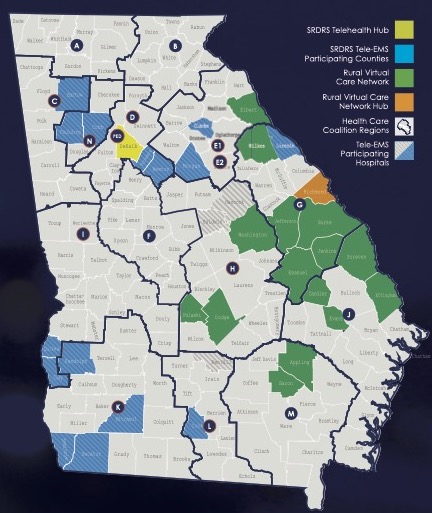
Enlarge Map

Telemedicine Map

The SRDRS is working to expand health systems’ use of virtual care systems, including tele-critical care, tele-emergency medicine, tele-EMS, and teleconsultation services offered by the regional poison centers. In turn, the SRDRS will improve access to highly specialized clinical expertise in trauma, burns, and CBRNE mass casualty management.

Tele-Critical Care

The Virtual Care Telemedicine Network Tele-Critical Care program has the ability to care for rural Georgians by increasing the level of complex care that can be provided at a rural hospital.

More about Tele-Critical Care
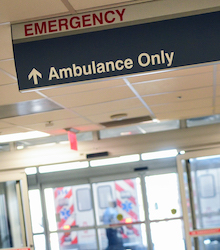
Tele-Critical Care

Tele-EMS

Through SRDRS, ER-TEMS will expand beyond the existing rural tele-EMS infrastructure to uncovered hospital coordinating regions throughout the state.

More about Tele-EMS
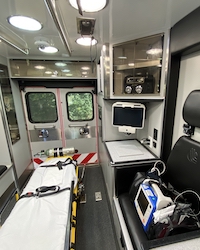
Tele-EMS

Tele-Observation Medicine

Just as the emergency departments serve as the safety net of a health system, observation units have served as the safety net of the emergency department.

More about Tele-Observation Medicine
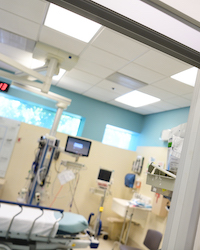
Tele-Observation Medicine

Telephonic Consultations

The Georgia Poison Center (GPC) is a 24-hour poison emergency information service for health care professionals and residents of Georgia.

More about Telephonic Consultations
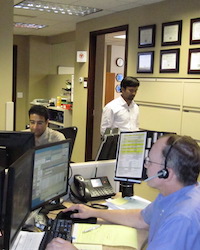
Telephonic Consultations